
The Top 10 Stories of the Year

As 2025 draws to a close, it's a great time to review the most-read stories of the last twelve months.

The articles that garnered the most attention shed light on Lakehead's progress as a university during the year that our Shaping the Evolution 2025-30 Strategic Plan was launched.

The Lakehead community was excited to learn about our partnerships with Simcoe County and transformative initiatives like our Collaborative Doctor of Veterinary Medicine Program, as well as the regional and national recognition received by Lakehead faculty, staff, and alumni.

Also on the radar were our outstanding researchers who are having an impact in areas ranging from Indigenous mental health and early cancer detection to environmental sustainability and 6G wireless technology.

Get ready to count down!

10: Lakehead Marks Ground Blessing with $2M Provincial Boost for New Northern Veterinary Program
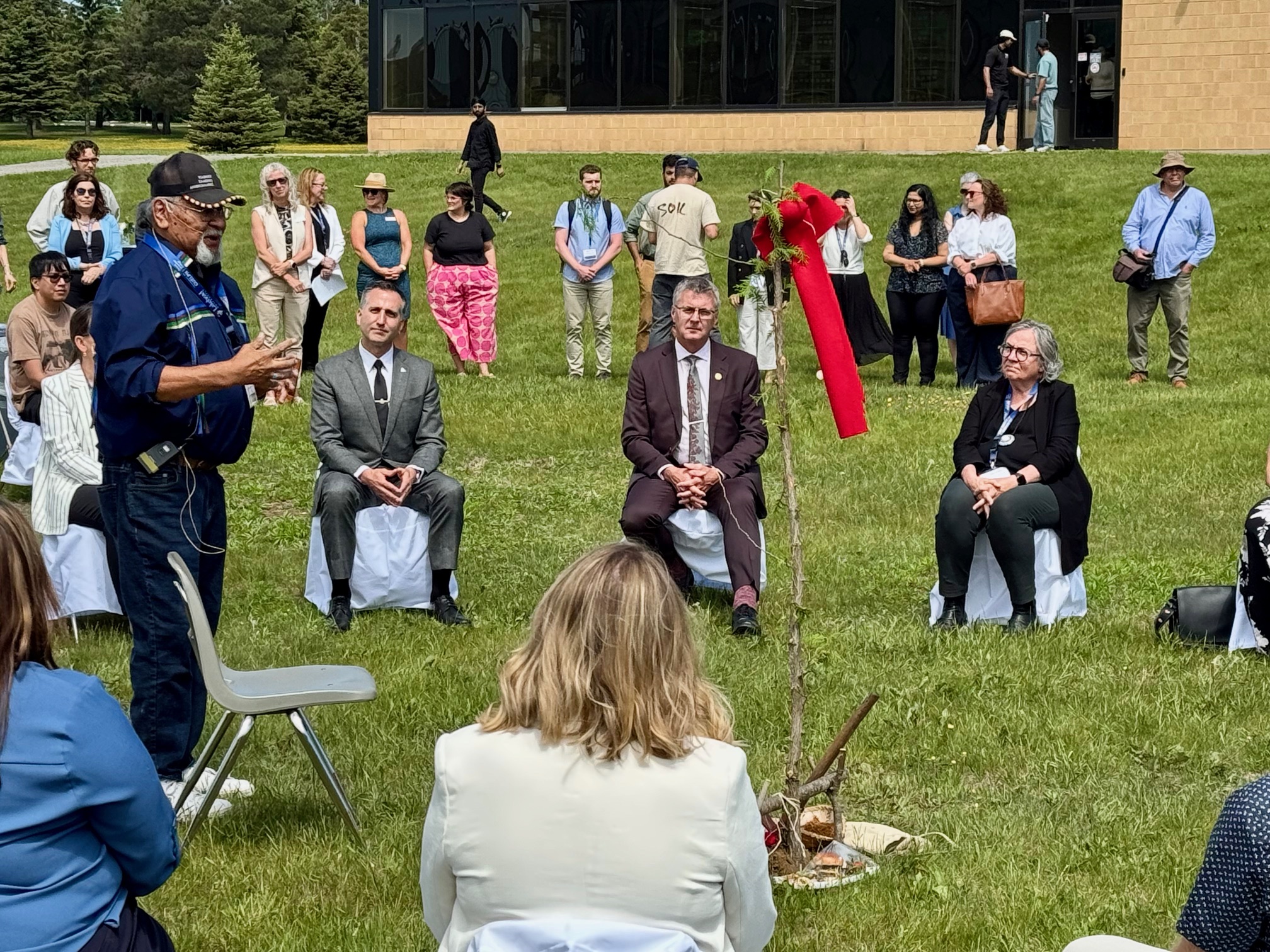

An Elder speaks to guests during the CDVMP ground blessing ceremony on the lawn of the Lakehead Thunder Bay campus

Today's ground blessing ceremony marks more than the beginning of construction—it symbolizes hope. In regions where farmers struggle to find veterinary care for their livestock and families drive hours to treat their pets, the Collaborative Doctor of Veterinary Medicine Program—delivered in partnership with the University of Guelph's Ontario Veterinary College—provides a lasting solution to a critical need. Building on the Government of Ontario's previously announced investment of $14.78 million, an additional $2 million was announced.

Click here to read the story.

9: Lakehead Celebrates King Charles III Coronation Medal Recipients
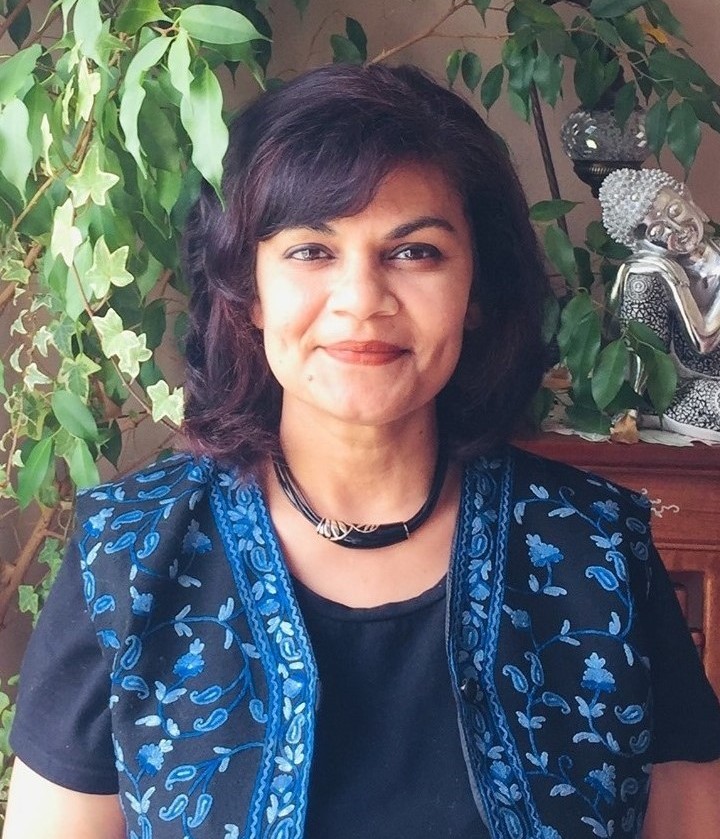

Roopa Rakshit

It's an exciting time to be at Lakehead! Several members of the university community have joined a select group of Canadians who've been awarded a King Charles III Coronation Medal. This honour was created to recognize individuals who've demonstrated outstanding service and excellence within their communities, and it is the first Canadian commemorative medal to mark a coronation. Pipe Major Lorne Clifford, Dr. Christopher Mushquash, Dr. Roopa Rakshit, Dr. Alla Reznik, and Dr. Michel S. Beaulieu, along with several Lakehead alumni, were presented with this medal.

Click here to read the story.

8: Lakehead Celebrates Alumni Excellence during 60th Anniversary Year


Orillia Winners of Lakehead Alumni Awards stand next to each other at the October 2025 Lakehead Celebrates ceremony

"Our graduates transform lives while inspiring others to follow their lead," says Mark Tilbury, Lakehead's Alumni and Annual Giving Director. Every year, the Alumni Association of Lakehead University presents awards honouring outstanding graduates and supporters. The awards ceremonies this year coincided with the university's 60th anniversary—offering the chance to celebrate both our inspirational alumni and Lakehead's role in expanding opportunities, driving societal progress, and fostering stronger communities.

Click here to read the story.

7: Lakehead Professors Among New and Renewed Canada Research Chairs
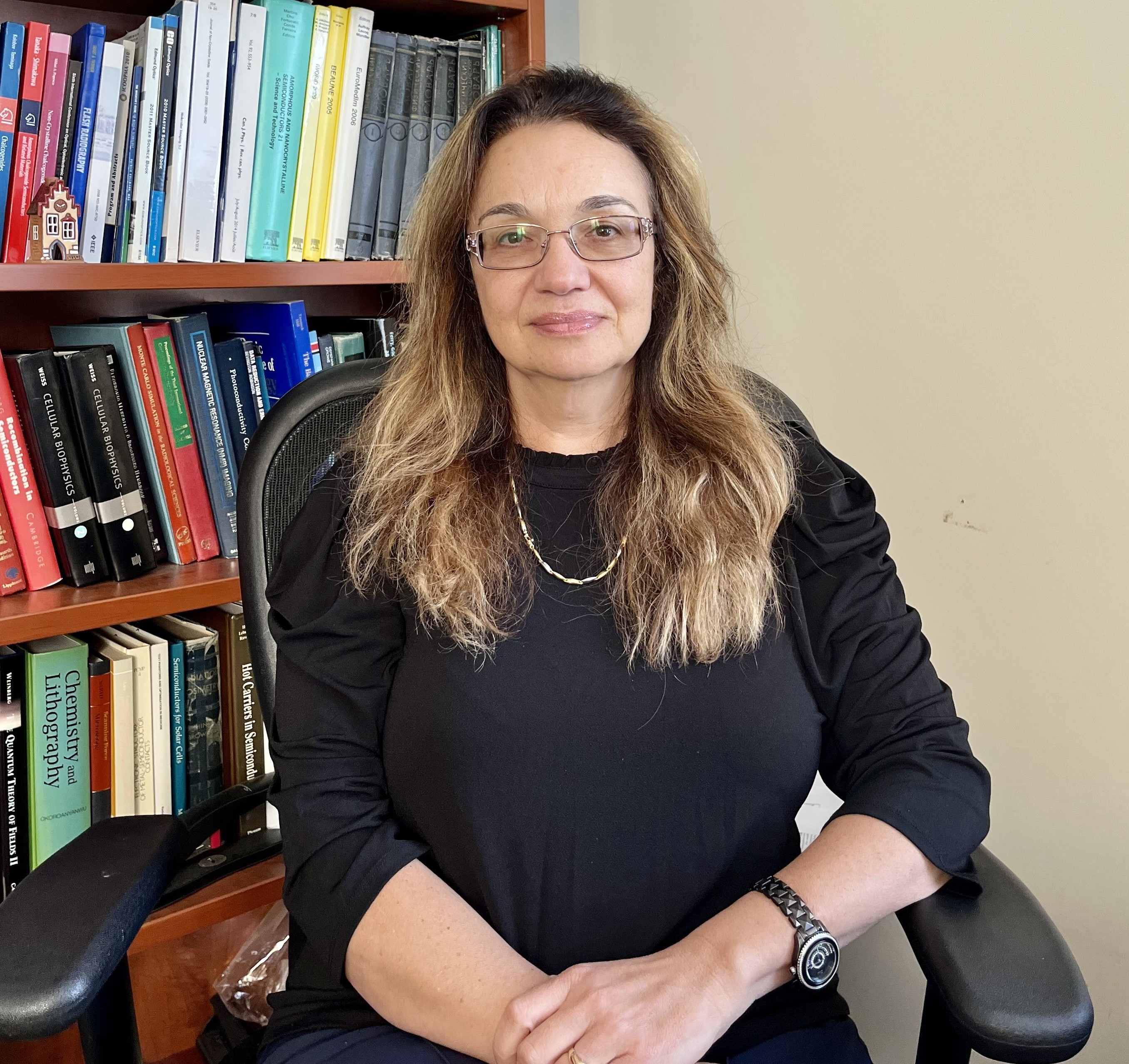

Dr. Alla Reznik sits in an office chair in front of a bookcase

Three Lakehead University researchers have been recognized by the Government of Canada with new and renewed Canada Research Chair (CRC) appointments for their outstanding scientific contributions to our local and global communities. Dr. Christopher Mushquash was appointed as a new Tier 1 CIHR CRC in Indigenous Mental Health and Addiction. Dr. Alla Reznik, a Tier 1 CRC in Radiation Medical Imaging Physics and Dr. Lindsay Galway, a Tier 2 CRC in Social-Ecological Health, received renewals.

Click here to read the story.

6: Distinguished Canadians to Receive Honorary Degrees at Lakehead University's Thunder Bay Convocation
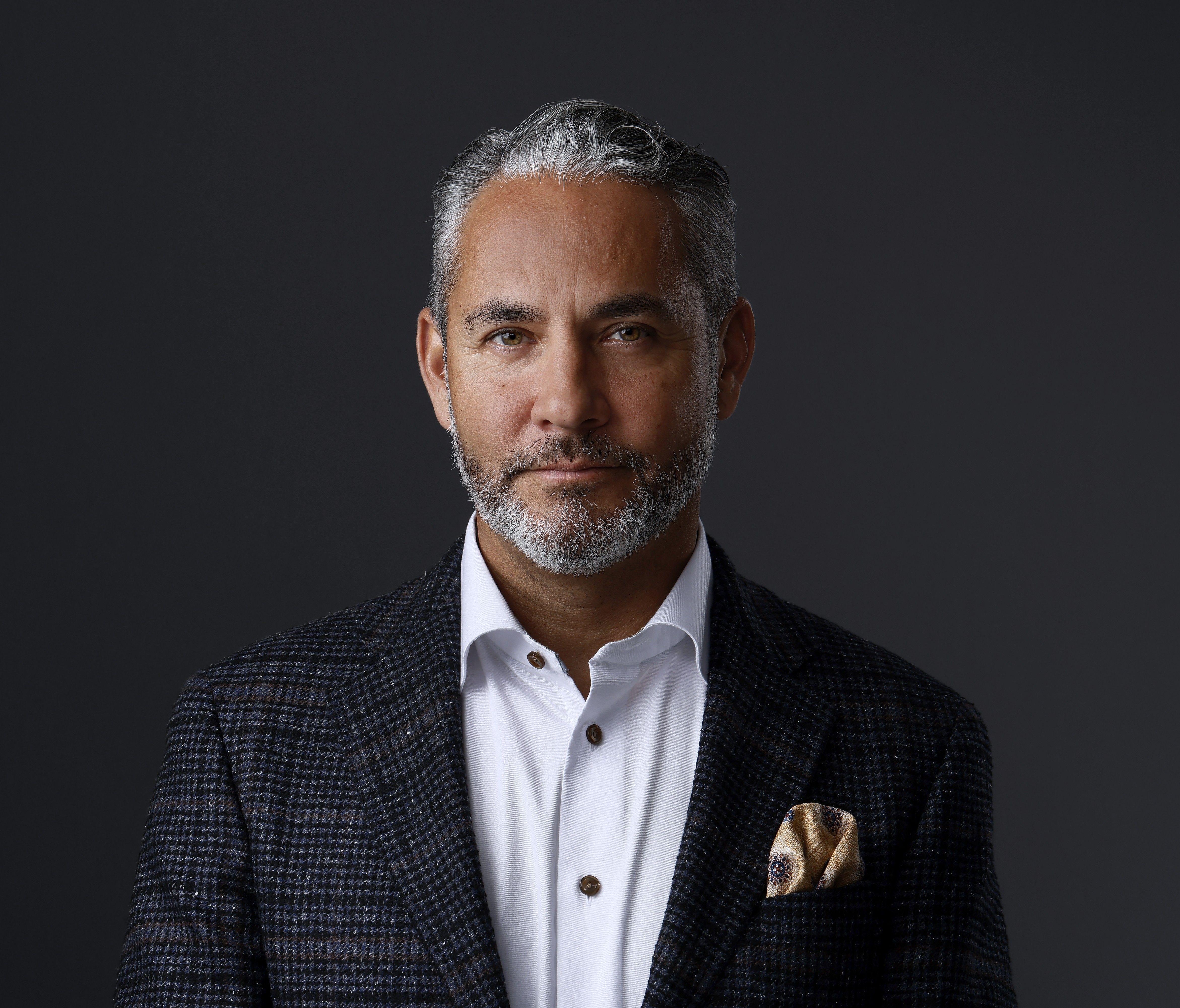

JP Gladu wearing a suit

Lakehead University will celebrate the achievements of 1,999 graduates at its Thunder Bay campus convocation ceremonies on May 29 and 30, 2025. In addition to celebrating the graduating class of 2025, Lakehead will recognize three outstanding individuals with honorary degrees and a retired long-serving faculty member with the title of Fellow of the University, honouring their leadership, creativity, and contributions to their fields and communities.

Click here to read the story.

5: Historic $10M investment from Kim and Stu Lang propels new veterinary medicine program for northern Ontario


Architectural Rendering of the Gakina Awesiinyag Animal Education Facility

A landmark $10 million investment from Kim and Stu Lang will support Lakehead University and the University of Guelph's Ontario Veterinary College's new Collaborative Doctor of Veterinary Medicine Program, helping to alleviate northern Ontario's critical veterinarian shortage. The gift will help fund the construction of an animal education facility the Thunder Bay campus. This investment is the largest philanthropic contribution in Lakehead's history.

Click here to read the story.

4: New collaborative veterinary program moves forward to serve northern Ontario
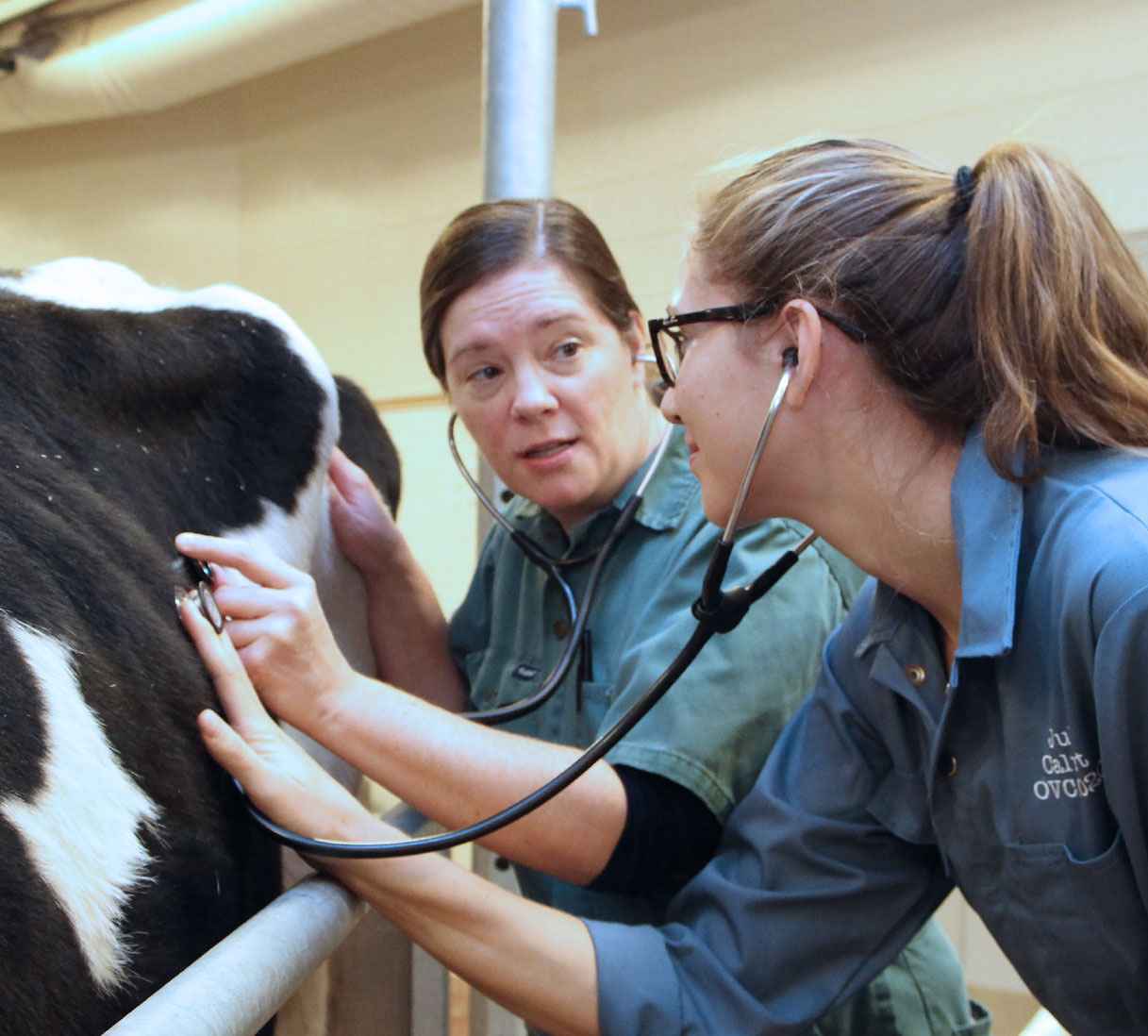

Two female veterinarians use stethoscopes to listen to the heartbeat of a cow

Help is on the horizon for people in northern Ontario struggling to access veterinary care for their livestock and pets. With a signed agreement between Lakehead and Guelph universities in place, student recruitment underway, and a Request for Proposal process about to begin, the new Collaborative Doctor of Veterinary Medicine program is moving forward. Photo Credit: Ontario Veterinary College

Click here to read the story.

3: Thunder Bay Researcher Co-Leads $10.8M National Project to Improve Indigenous Youth Mental Health
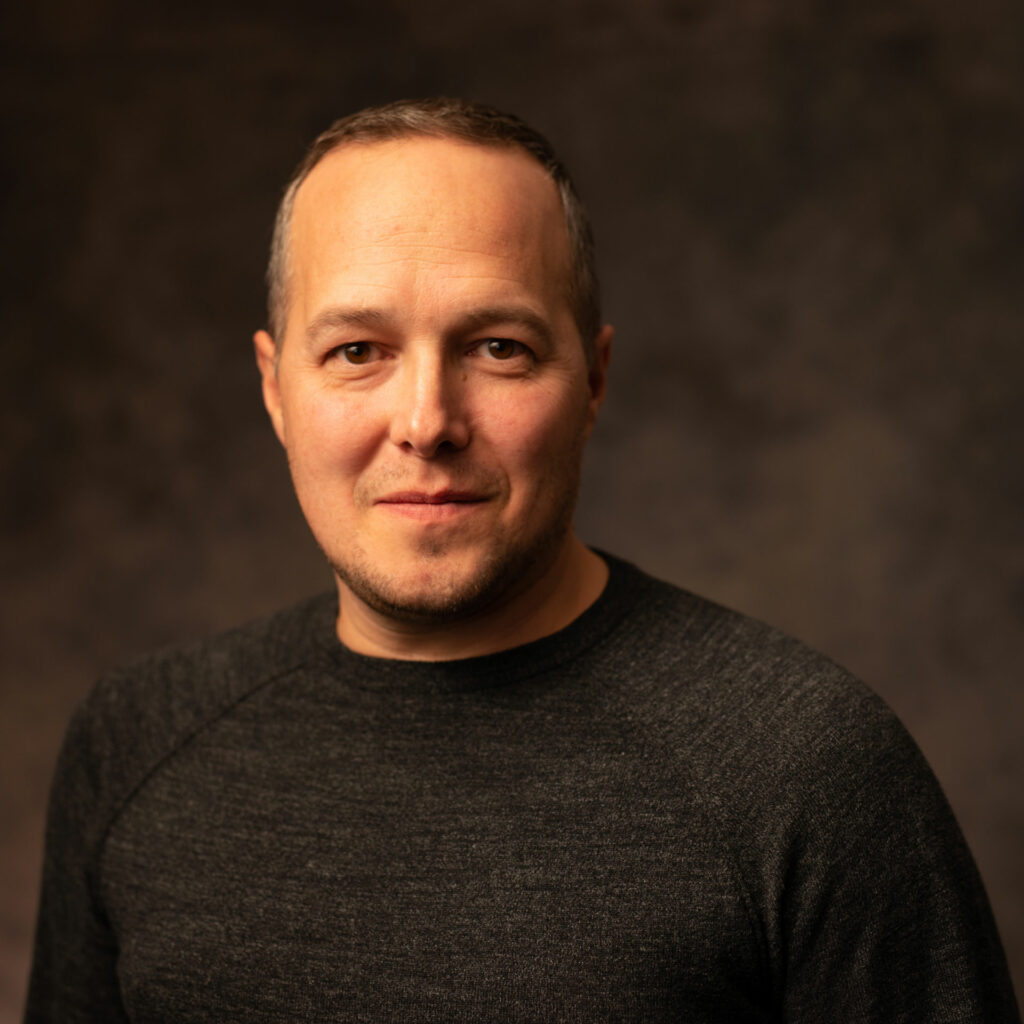

Dr. Christopher Mushquash

A national initiative to improve Indigenous youth mental health, co-led by local researcher Dr. Chris Mushquash, has secured an additional $10.8 million from the Canadian Institutes of Health Research (CIHR). Dr. Mushquash is part of a group co-leading the four-year project focused on building a trust-based learning network across Canada to support culturally-grounded mental health services for Indigenous youth.

Click here to read the story.

2: Lakehead University selected as preferred site for new Orillia hospital
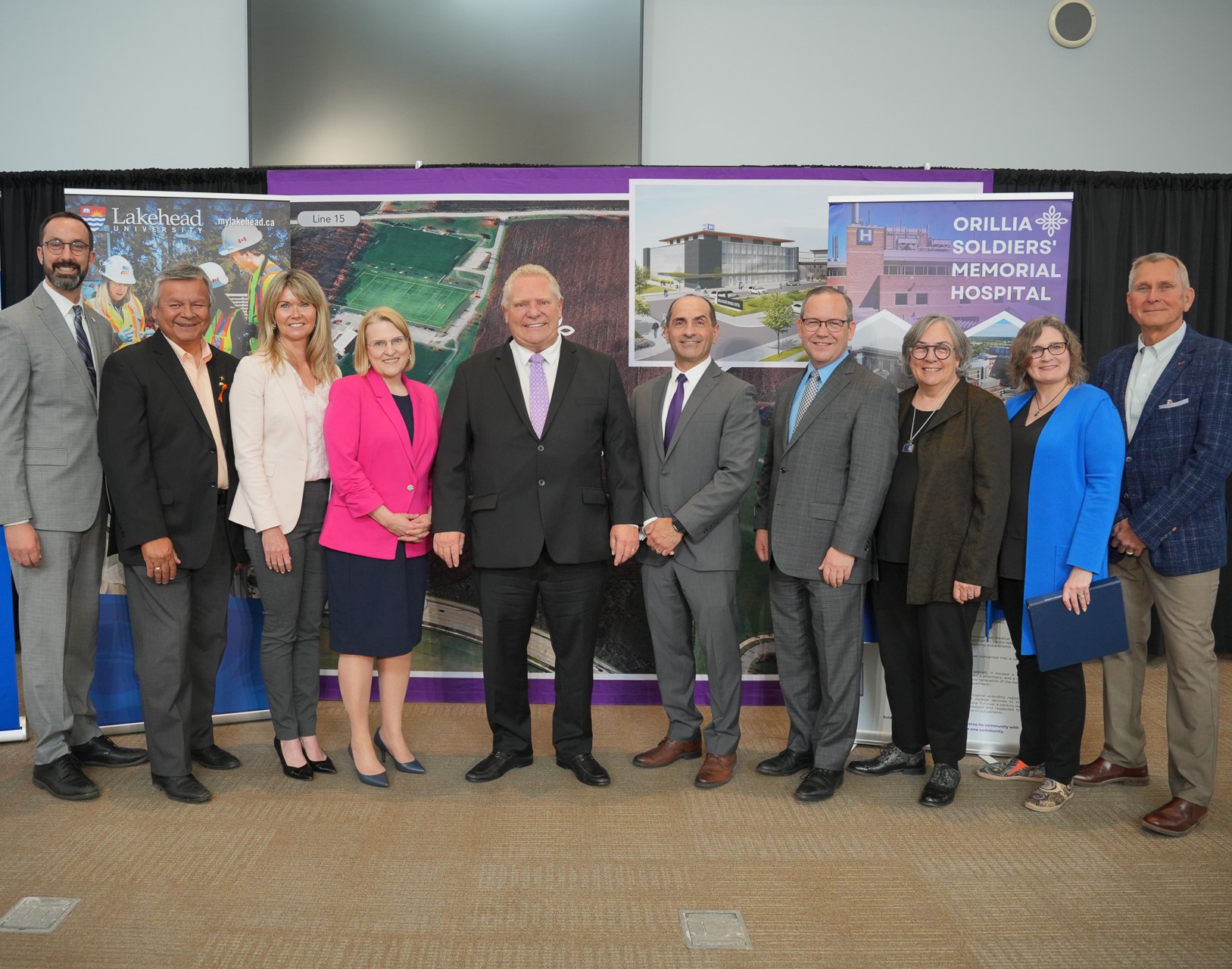

Ontario Premier Doug Ford stands with government, Lakehead University, and Orillia Soldiers' Hospital officials

A parcel of land on the south side of Lakehead's Orillia campus has been identified as the preferred site to build the new hospital, pending provincial government approvals and the exploration and negotiation process between the organizations. "We are thrilled that Lakehead University could be the future home to Orillia Soldiers' Memorial Hospital," said Carmine Stumpo, President and CEO of OSMH.

Click here to read the story.

1: Student Spotlight: The Sky's the Limit for Engineer Sana Sharif
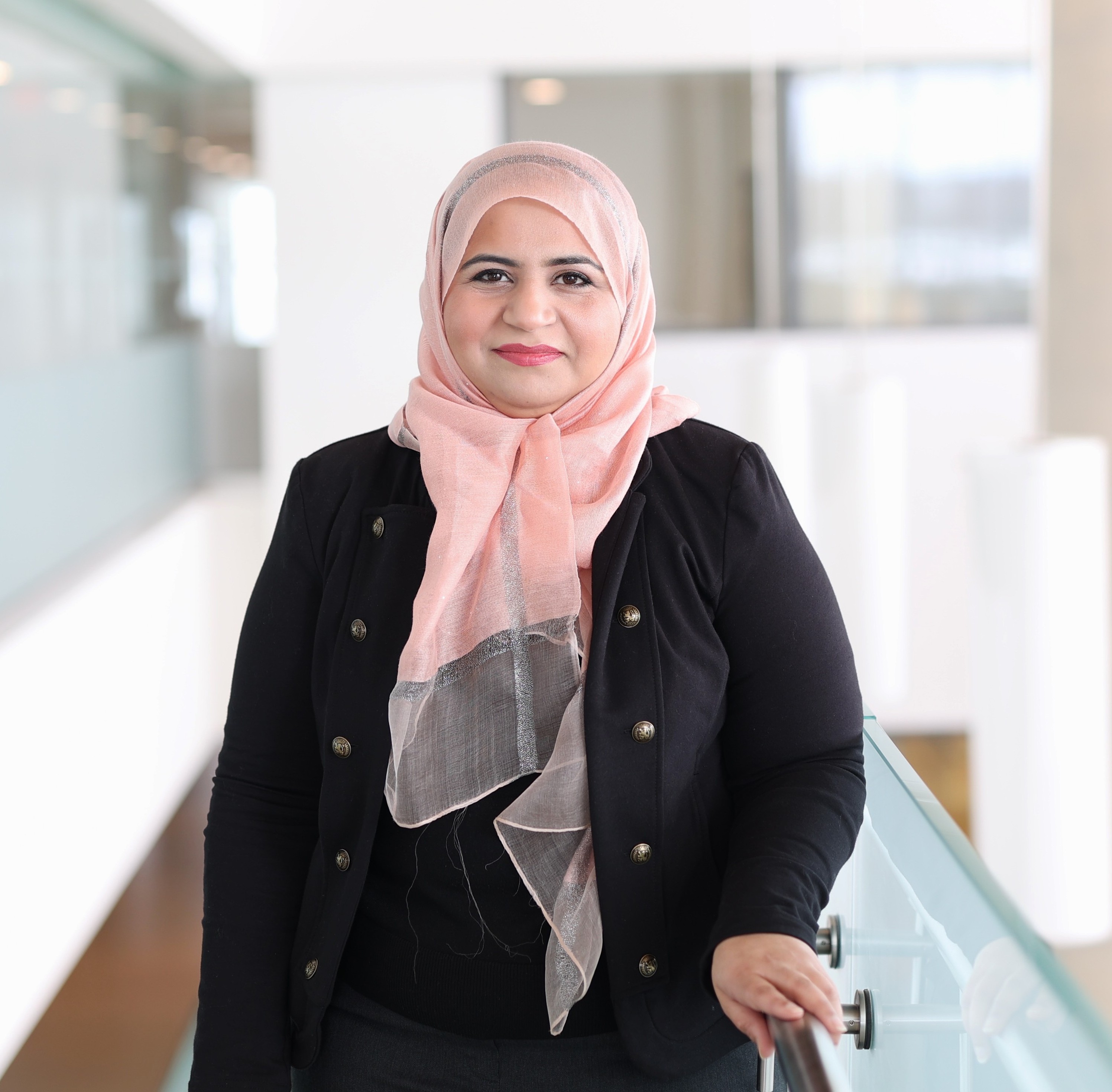

Sana Sharif stands at the top of a staircase in Simcoe Hall

"I've always wanted to quench my thirst for learning," says Sana Sharif, a third-year electrical and computer engineering PhD student based in Barrie. "From childhood, I was always keen to see how things are built. I would reverse-engineer my toys!" Last spring, she received a Lakehead Luminary Award from Lakehead's Student Success Centre, celebrating her many contributions on and off campus.
Click here to read the story.

Research and Innovation Bulletin

The Research and Innovation Bulletin is distributed weekly every Tuesday by the Office of Research Services and includes information on research funding opportunities, events and workshops and updates from our funding partners.

Check out the latest version of our Bulletin, by clicking here.

Research and Innovation Bulletin

Thank You for Supporting Giving Tuesday – Together We Raised $167,877

Giving Tuesday Results for 2025

We are pleased to share the results of this year’s Giving Tuesday campaign. Thanks to the generosity and support of our alumni, faculty, staff, students, and friends, Lakehead University raised $167,877 in support of student awards.

Giving Tuesday has become an important annual tradition at Lakehead- one that directly impacts our students by helping reduce financial barriers and expanding access to scholarships, bursaries, and awards. Since launching our first Giving Tuesday initiative in 2016, our community has contributed over $1.71 million toward student awards. This sustained support has strengthened our ability to help students succeed academically and personally.

These results also reflect our longstanding reputation for putting students first: for two years in a row, the Maclean’s University Rankings recognized Lakehead as the top undergraduate university in Ontario for student awards- a distinction made possible through the kindness and commitment of supporters like you.

Thank you to everyone who contributed, shared messages, or helped champion this year’s campaign. Your dedication helps ensure that Lakehead students can focus on their studies, pursue their goals, and fully realize their potential.

A Year-End Reflection from President Gillian Siddall

Lakehead University will be closed for the holiday break from Monday, December 22 to Friday, January 2, reopening on Monday, January 5.

As we approach the end of 2025, I want to extend my warmest wishes to our partners, supporters and friends across all the regions we serve. Your collaboration, insight and generosity continue to strengthen Lakehead University and help us expand opportunities for learners and communities.

This past year marked several important milestones. We celebrated Lakehead's 60th anniversary and launched Shaping the EvoLUtion, our new strategic plan shaped by the perspectives of students, faculty, staff and community partners. It charts an ambitious path forward as we continue to grow, innovate and make meaningful contributions across northern and central Ontario.
We advanced major initiatives that reflect Lakehead's momentum. Construction began on the new facilities for the Collaborative Doctor of Veterinary Medicine Program, delivered in partnership with the University of Guelph. This once-in-a-generation initiative was made possible through an extraordinary $10-million gift from Kim and Stu Lang and the generosity of many supporters. With the first cohort now underway, the program represents real progress for rural and northern communities facing a critical shortage of veterinarians.

In Orillia, our shared vision for growth received remarkable support. A $400,000 contribution from the Lakehead University Student Union and a transformative $15-million investment from the County of Simcoe have accelerated our campus expansion plans. In partnership with the Orillia Soldiers' Memorial Hospital, Lakehead Orillia was named the preferred site for the new hospital—an exciting step in meeting the region's future needs.

Our presence in central Ontario continues to grow with the start of construction on the new Lakehead STEM Hub in Barrie. Opening in fall 2026, this state-of-the-art facility will expand access to degree-level STEM education and deepen our connections with local industries.

We also advanced our commitment to truth and reconciliation through the revitalized Gichi Kendaaswin initiative. This renewed, university-wide approach will strengthen Indigenous-led learning and culturally grounded spaces across our campuses. We are grateful for significant support this year, including $1 million from BMO and $100,000 from Canada Life, which will help bring a new Indigenous learning space in Thunder Bay to life.

These achievements represent only a small portion of the work happening across Lakehead every day. What makes this progress possible is the strength of our partnerships and the shared vision we hold for the future of our communities.

If you would like to stay connected with Lakehead throughout the year, I invite you to subscribe to our Campus Connection newsletter, where we share stories, milestones and updates from across the university.

Thank you for being part of the Lakehead story. Once you are part of Lakehead, you are Lakehead for life. I wish you and your loved ones a joyful holiday season and a hopeful year ahead.

Sincerely,

Dr. Gillian Siddall
President and Vice-Chancellor
Lakehead University

Meet 2025 Distinguished Instructor Dr. Sam Salem

His Teaching Lights a Fire in Engineering Students

Watching a structure you've designed suddenly burst into flames isn't a typical university experience.

But if you're a student in a course taught by Civil Engineering Professor Dr. Sam Salem, that's exactly how a class might unfold.

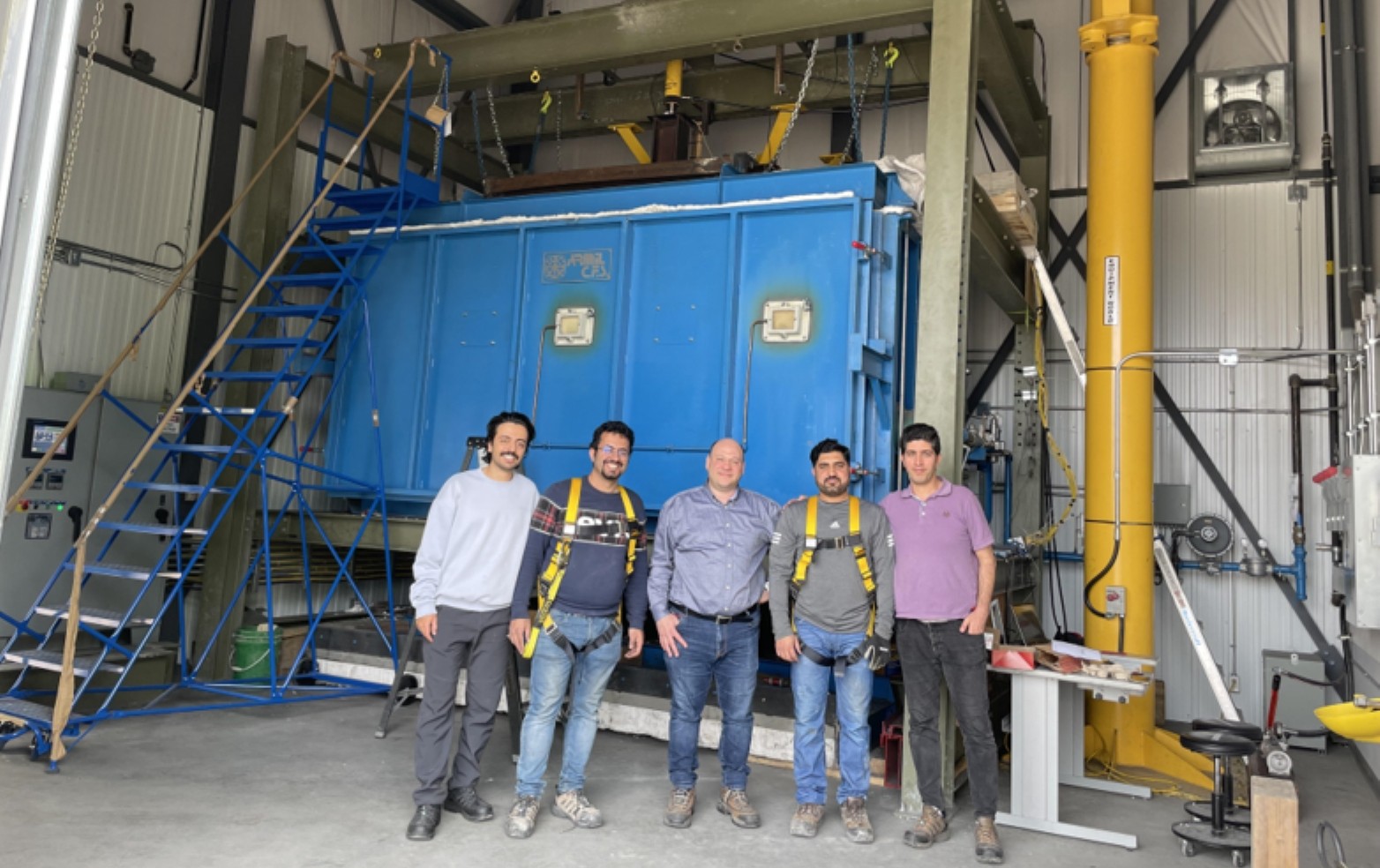
Dr. Sam Salem stands in Lakehead's Structural Fire Testing & Research Laboratory with two of his doctoral students standing on either side of him

Dr. Salem managed Lakehead's Master of Civil Engineering program and led the development of its PhD in Civil Engineering program. He's also supervised over 150 undergraduate students' degree design projects and mentored over 40 personnel. Above, Dr. Salem (centre) with some of his doctoral students.

"Teaching with purpose—inspiring minds and shaping futures—is my foundational principle," says Dr. Salem, who runs Lakehead's Structural Fire Testing & Research Laboratory (LUFTRL).

His intensive and accessible approach to learning sets him apart as an educator.

It has also earned him the 2025 Distinguished Instructor Award—Lakehead University's most prestigious teaching honour—and the appreciation of countless students.

He develops courses that bridge the gap between theoretical engineering concepts and practical industry experience, turning students into successful professional engineers.

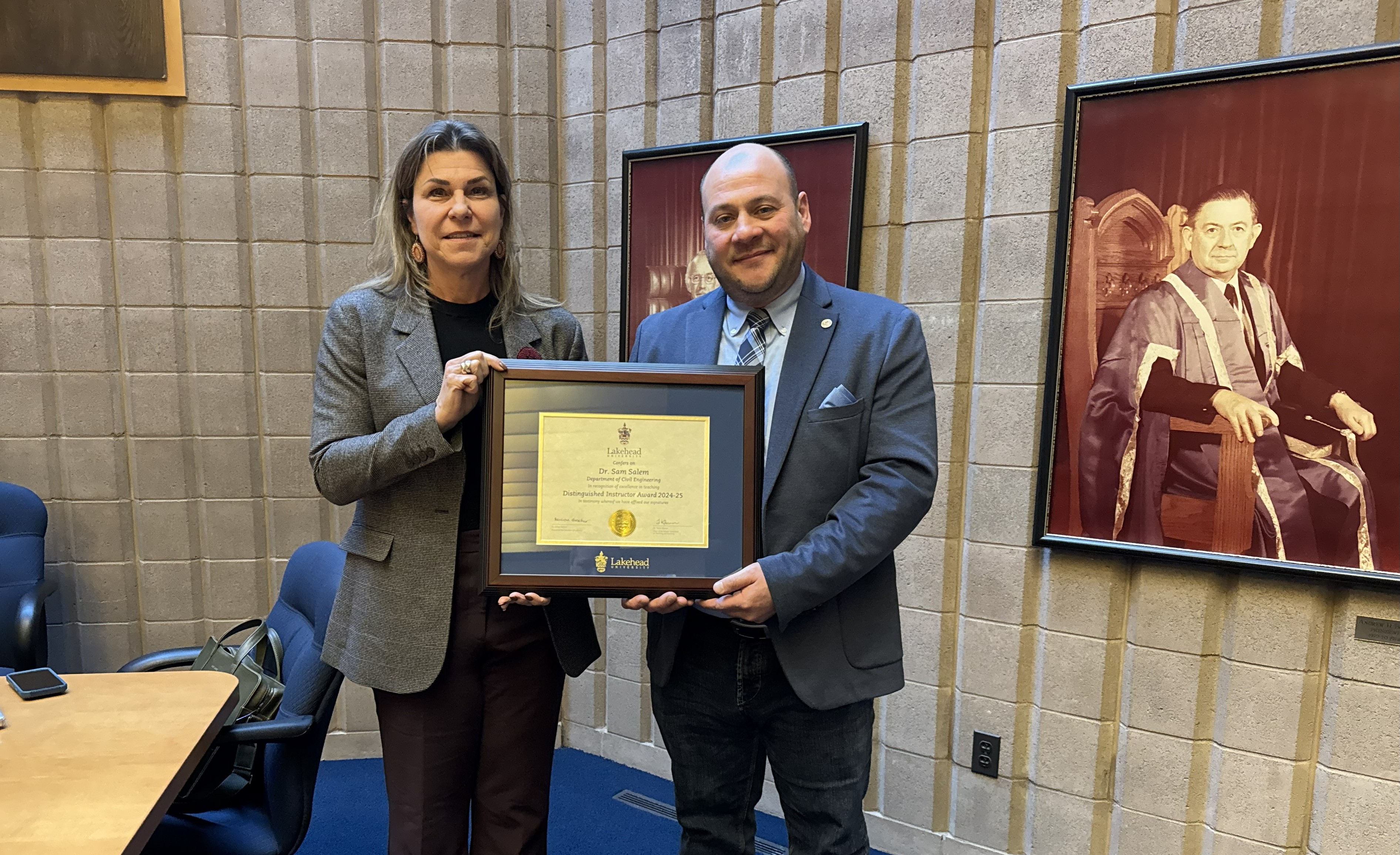
Dr. Gillian Balfour and Dr. Sam Salem stand beside each other in Lakehead University's Senate Chamber holding Dr. Salem's framed 2025 Distinguished Instructor certificate

"I'm also a learner as well as a teacher—I learn from my students' questions and comments," Dr. Salem says. Above, he receives his Distinguished Instructor Award from Lakehead Provost and Vice-President (Academic) Dr. Gillian Balfour.

A Natural Teacher

Dr. Salem is an internationally recognized expert in structural fire engineering—an area he chose to specialize in because fire represents the gravest safety threat to any building and its occupants.

His love of teaching, however, was sparked as an undergraduate student at Egypt's Zagazig University, where he was a top-ranked scholar.

"Many of my classmates and friends would come to me for help with assignments and tricky problems."

It was there that he began to learn how to simplify complex concepts into easily understood information, which would become the bedrock of his teaching practice.

"Students get bored if everything is numbers and textbooks," he explains.

"In my classes, I like to include photos, drawings, and examples of engineering structures that failed. I make connections between what happens on paper and what happens in real life."

This strategy breaks the rigidity of the lecture format and encourages everyone, even those who may feel intimidated, to participate.

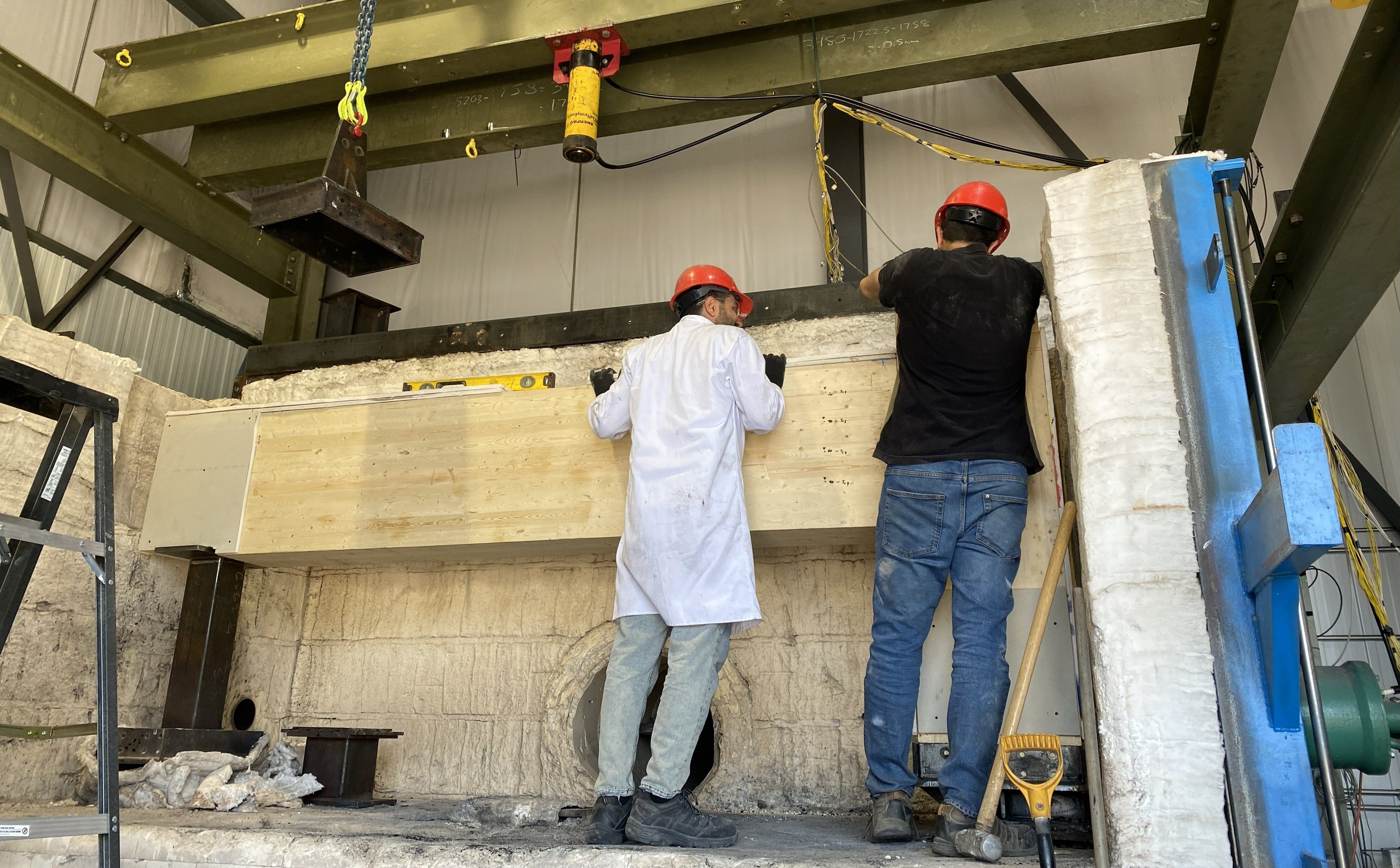
Two members of Dr. Sam Salem's research team, wearing hard hats, set up a fire test in Lakehead's Structural Fire Testing & Research Laboratory

Dr. Salem adjusts the time spent on particular topics based on his students' needs. "Sometimes students learn quickly, other times they have more questions and need additional clarifications." Above, two members of his research team set up a mass-timber building assembly for fire testing.

Fostering student engagement is central to Dr. Salem's teaching.

"I always tell my students to raise their hands whenever they have a question, even if it seems simple. It helps other students, and it also improves my teaching."

His dedication to teaching has only deepened over time, despite the fact that he has to juggle his teaching commitments with an ambitious research program and heavy administrative duties.

"But even if my day has been tough and I'm feeling exhausted, once I'm in the classroom and see the excitement in students' eyes, my tiredness disappears," he says.

A Role Model for Aspiring Engineers

Dr. Sam Salem, wearing a hard hat and safety glasses uses a tool to measure the gap between a wooden beam and a column in the LUFTRL furnace

Dr. Salem holds patents in Canada and the United States for a fire-resistant beam-end connecting mechanism designed for mass-timber buildings. Above, he checks the gap between a beam and a column in a mass-timber assembly before it undergoes a fire-exposure test.

A charred beam is removed from a fire-testing furnace using a craneThousands of people will live in apartment buildings, wander through shopping malls, and drive over bridges designed by civil engineers, so these structures have to be built to the highest standards.

"I continually remind students that as professional engineers, they will be responsible for other people's lives, and that they must act ethically and with the utmost integrity," Dr. Salem says.

"It could be your mother, your son, or your friend who uses a structure you designed."

Fortunately, his students have the opportunity to engage in experiential learning at the Structural Fire Testing & Research Laboratory. Through Dr. Salem's guidance and mentorship, they learn how to meet building code requirements and design standards for resilient, fire-safe structures.

Straight from the Heart

"Even though it's wonderful when my students get good grades, what makes me most proud of them is when they try hard and ask questions," Dr. Salem says. "It shows me that they want to learn."

He often gets messages from former students, including many who graduated years ago, saying: "This issue you discussed in your course just came up at work, and I was able to apply what you taught us."

"For me, teaching is a work of the heart," he adds. "You have to love what you teach in order to inspire students."

Congratulations, Dr. Salem, on being named Lakehead's 2025 Distinguished Instructor!

Dr. Sam Salem, wearing a white hard hat, stands beside a fire-testing furnace at the LUFTRL facility

Almost $3 million in research funding from provincial and national funding agencies has been awarded to Dr. Salem. He has also has authored/co-authored over 80 peer-reviewed, refereed publications in highly-ranked international journals and top-tier conference proceedings.

Every year, Lakehead honours outstanding professors, instructors, and education staff whose commitment to teaching and innovation ensures that our students excel.

Here are the 2025 Teaching Award Winners

Distinguished Instructor Award:
Dr. Sam Salem, Civil Engineering

Contribution to Teaching Awards:
Dr. Kathryn Walton, English
Mr. Brian Weishar, Education
Dr. Davut Akca, Interdisciplinary
Prof. Tenille Brown, Law
Ms. Kaitlin Adduono, Nursing
Dr. Ahmed Elshaer, Civil Engineering

Teaching Innovation Awards:
Prof. Larissa Speak, Law
Dr. Taryn Klarner, Kinesiology and Mrs. Kristen McConnell, Nursing
Mr. Mohit Dudeja, Education

Teaching Support Award:
Mr. Adam Humeniuk, Teaching Commons

Dr. Rob Stewart Spearheads Efforts to Protect Lake Superior

OVERVIEW:

  • Dr. Rob Stewart leads the Freshwater Coastal Management Research Group and coordinates Remedial Action Plans (RAPs) along the Canadian north shore of Lake Superior
  • Harbours along Lake Superior were heavily polluted as a result of mining and forestry operations and industrial development
  • The work of RAPs, combined with government regulation, has made Lake Superior harbours safe for swimming and a source of drinking water
  • Dr. Stewart, in collaboration with RAPs, is investigating emerging global threats to the health of Lake Superior
  • Lakehead researchers are also working with Indigenous communities with the goal of restoring Lake Nipigon's ecosystem

Communities are Coming Together to Clean Up Our Freshwater Lakes

"The best way to experience the magnificence of Lake Superior is to paddle to the last chain of islands before you hit open water," Dr. Rob Stewart says.

He's an associate professor of geography & the environment who feels most at home on the lake.

"It's amazing to be 10 km offshore in a kayak and have an otter pop up and hiss at you."

His career has been devoted to working with local communities to protect the watersheds and coastal environments of the Lake Superior Basin.

"Lake Superior is the headwater of all the Great Lakes, and its health determines the future of all the Great Lakes," he explains.

Dr. Stewart leads Lakehead's Freshwater Coastal Management Research Group and coordinates Remedial Action Plans (RAPs) along the Canadian north shore of Lake Superior.

"We identify environmental problems, monitor them, and then work on lake restoration," he says.

Through the determination of communities and researchers, there's been great success in removing pollutants from Lake Superior.

"When I was growing up, places like Thunder Bay, Nipigon, and Red Rock had working harbours. There was foam, oil, and tree bark floating on the water because industries like pulp mills and mines would discharge effluents directly into the lake.

Today, you can swim in these harbours and use them for drinking water because of intense government regulation and the clean-up efforts of RAP groups."

Now, Lake Superior RAPs are equally concerned with emerging threats to the lake that don't have simple solutions and that require cooperation between countries.

"We're investigating how to deal with invasive species, airborne mercury travelling from China and India, and climate change—Lake Superior is the fastest warming Great Lake."

Uncovering the Story of Lake Nipigon

Dr. Stewart's research extends beyond Lake Superior.

He's excited to be working with Indigenous communities in the Lake Nipigon area to trace the history of this freshwater lake and how it's changed over the past 200 years.

"Lake Nipigon was intensely developed in the 1940s. Large forestry and mining operations were set up near the lake's shoreline.

The provincial government also built a hydroelectric dam that diverted massive amounts of water from the Arctic watershed into Lake Nipigon. This changed the lake's ecosystem dramatically."

The high levels of silt and nutrients in the Arctic Watershed were too much for a freshwater body like Lake Nipigon to absorb.

"The silt covered up fish spawning grounds, and the overabundance of nutrients created toxic algae blooms. The dam also caused erosion and raised the level of the lake, which released more sediment and nutrients."

Until recently, Indigenous people were forced to stand by and see their lake degraded because they had no say over how it was developed.

"Now, First Nations want the full story of the lake's changes backed up with scientific data," Dr. Stewart says. "Our 'Lake Nipigon Cumulative Impacts Partnership' will help provide this information."

His research team is doing this by tracking the movement of fish in the lake and by taking sediment samples from the lake floor.

"We'll analyze the sediment to determine the nutrients, plants, aquatic life, and toxins present in Lake Nipigon at different time periods."

After all the evidence is gathered, communities will pinpoint areas of Lake Nipigon where the environment has been adversely affected by development and by pollution, such as arsenic contamination from mills. Then, they'll advocate to have them restored.

"They want to build healthy communities with clean water and land for their youth," Dr. Stewart says.

Save Our Remarkable Lakes

He encourages local citizens to get involved in sustaining our region's waterways by joining an environmental community group or by becoming a member of one of the north shore's Remedial Action Plan groups.

"The number-one thing, though, is to connect with our lakes in your own way. Go for a canoe ride with a friend, take your kids fishing, or walk along one of the beaches."

Dr. Stewart's Lake Nipigon Cumulative Impacts Partnership research is funded by an NSERC Alliance Grant, the Indigenous Guardians Network, the First Nations Environmental Contaminants Program (Health Canada), and by Biinjitiwaabik Zaaging Anishinaabek. He has received funding for his Lake Superior research initiatives from the Great Lakes Freshwater Ecosystem Initiative, which is part of the Government of Canada's Freshwater Action Plan.

National Day of Remembrance and Action on Violence Against Women

The hands of two people holding lit candles add their candles to a group of white candles burning in the darkness

Photo Credit: Unsplash/Nick Fewings

A sombre time of the year is approaching for Lakehead University, and for all Canadians.

December 6 marks the anniversary of the murders of 14 young women at Montreal's École Polytechnique in 1989.

Targeted in an act of misogynistic violence, the women ranged in age from 20 to 31.

Among the dead were nursing student Barbara Klucznik-Widajewicz and Maryse Laganière, a polytechnique finance employee. The other 12 victims were engineering students.

This mass femicide, which became known as the "Montreal Massacre," led Canada to declare December 6 the National Day of Remembrance and Action on Violence Against Women. It's also known as White Ribbon Day.

The families and friends of the women still mourn their loved ones. We join together with them in solidarity, pledging to never forget the victims of this tragedy.

Every December 6, We Remember:

  • Geneviève Bergeron, Mechanical Engineering Student, aged 21
  • Hélène Colgan, Mechanical Engineering Student, aged 23
  • Nathalie Croteau, Mechanical Engineering Student, aged 23
  • Barbara Daigneault, Mechanical Engineering Student, aged 22
  • Anne-Marie Edward, Chemical Engineering Student, aged 21
  • Maud Haviernick, Metallurgical Engineering Student, aged 29
  • Maryse Laganière, École Polytechnique Finance Employee, aged 25
  • Maryse Leclair, Metallurgical Engineering Student, aged 23
  • Anne-Marie Lemay, Mechanical Engineering Student, aged 22
  • Sonia Pelletier, Mechanical Engineering Student, aged 28
  • Michèle Richard, Metallurgical Engineering Student, aged 21
  • Annie St-Arneault, Mechanical Engineering Student, aged 23
  • Annie Turcotte, Metallurgical Engineering Student, aged 20
  • Barbara Klucznik-Widajewicz, Université de Montréal Nursing Student, aged 31

Engineering Students and Activists Grapple with a Devastating Legacy

"Things have changed for women in engineering," says Sana Sharif, a Lakehead electrical and computer engineering PhD student. "There's more acceptance, even since I began my studies.

But in 2025, we are still fighting because there is still violence. White Ribbon Day is a powerful reminder of the brilliant female engineering students whose lives were stolen. I'm standing on their shoulders."

What happened in 1989 led to debates and soul searching by a country in shock.

"It's ironic that it took this horrific mass casualty to spur Canadians to take serious steps to attempt to stop gender-based violence (GBV)," says Lakehead Health Sciences professor Dr. Helle Møller.

"Although policies and legislation to protect women existed in 1989, research evaluating their effectiveness largely hadn't been done. This was, and continues to be, reflected in the underreporting of gender-based violence."

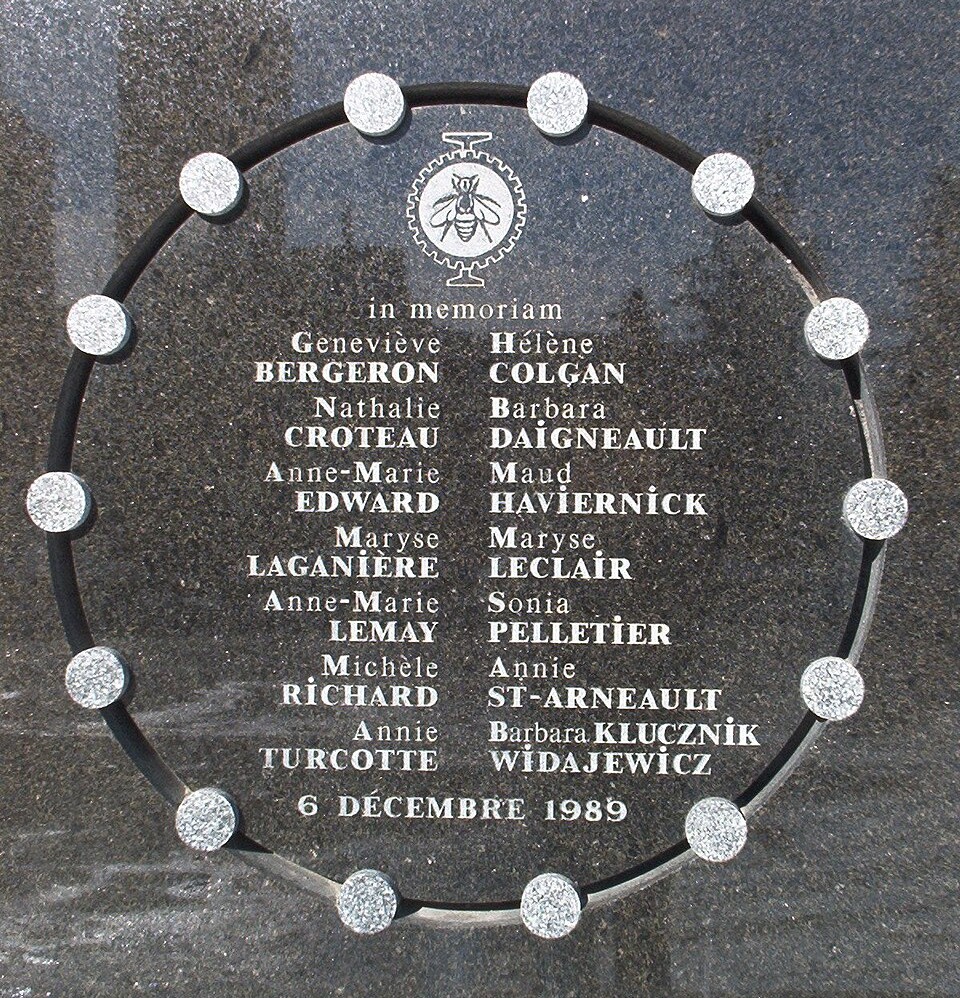
The commemorative granite plaque on the wall of Montreal's École Polytechnique listing the names of the women who were murdered at the school on December 6, 1989

The commemorative plaque on the southwest wall of École Polytechnique's Main Building (now renamed Polytechnique Montréal), which bears the school's coat of arms and the names of the 14 victims. Photo Credit: Wikimedia Commons/Bobanny

In partnership with the Thunder Bay District Health Unit and Southeast Public Health, Dr. Møller and her fellow Lakehead researchers Oriana Rodriguez and Nana Nyarkoa-Oduro have spent the last year developing a framework to prevent gender-based violence.

The newly launched framework provides a foundation for public health units to address the root causes of gender-based violence, and take evidence-based action across different sectors.

"We've come a long way as a society when it comes to gender-based violence, but often we still don't act until it's too late," Dr. Møller says.

"This is evident from the refusal of the federal government, and most provincial governments, to declare GBV an epidemic, despite rising GBV stats in Canada. United Nations Secretary-General António Guterres has described violence directed at women and girls as 'the world's longest, deadliest pandemic.'"

At Lakehead, many other researchers are involved in crucial work to build a society that is safe for women and girls—including Gender and Women's Studies Professor Dr. Lori Chambers and Social Work Professors Dr. Angela Hovey, Dr. Susan Scott, and Dr. Jodie Murphy.

They are making important strides in understanding and overcoming gender-based violence, as are student researchers like Erika Puiras and Casey Oliver.

A New Generation Committed to Change

"When do revolutions start?" asks Parvinder Kaur. "Where does the spark come from, and how do we keep it alive to keep making our world a better place?"

As the coordinator of the Lakehead University Student Union Gender Equity Centre, ending gender-based violence is one of her goals.

"I am an international student and, according to my parents, I have always questioned inequality. Gender became a focus when I started volunteering as a crisis responder with Shamsaha."

Shamsaha is a non-profit in Bahrain that helps women facing domestic and sexual abuse.

I very quickly learnt that voice is a privilege, and what good would it be if I didn't use mine.

Parvinder now works to make Lakehead's campus a safer space for all students through initiatives like the recent Survivors Solidarity event hosted by Pride and Gender Equity Centre.

"I tried to connect students with the office of Human Rights and Equity on campus along with counselors for sexual and intimate partner violence from Thunder Bay Counselling," Parvinder says.

"Education is key, and so is remembering our history," she adds.

As the anniversary of the Montreal Massacre draws near, Lakehead University would like to pause and reflect on the lives of these young women, and to renew its commitment to ending gender-based violence.

"If we don't remind people of what happened on December 6, 1989, it will be forgotten," Dr. Møller says. "It's now more important than ever to continue fighting."

"There is no place for violence in our classrooms, our institutions, or our society," adds Sana Sharif. "We need women's ideas and their leadership."

Commemorate White Ribbon Day by:

  • Observing a moment of silence at 11:00 am on December 6
  • Wearing a white ribbon
  • Donating to a local women's organization or to the White Ribbon campaign, the world's largest movement of men and boys working to end gender-based violence
  • Participating in the 16 Days of Activism Against Gender-based Violence between November 25 to December 10
  • Using the social media hashtags #Rememberthe14 and #16Days and following the LUSU Gender Equity Centre Instagram account @gec_lusu

Click here to learn more about the vibrant young women who died on December 6, 1989.

Lakehead Recognized As One of Canada’s Top Undergraduate Research Universities

Thunder Bay and Orillia, Ont. - Lakehead University has climbed to one of the highest positions among Canada’s undergraduate research universities, according to new rankings released today by Research Infosource Inc.

Lakehead shines in Research Infosource’s list of the Top 50 Research Universities of 2025, moving up one spot to secure its place as the #2 undergraduate research university in Canada. Lakehead continues to rank 35th overall among all Canadian research-intensive universities.

“Our continued success reflects the exceptional talent, capacity, and research leadership at Lakehead University,” said President and Vice-Chancellor Dr. Gillian Siddall. “This recognition validates the university’s commitment to advancing discovery that matters, connecting knowledge to community, and preparing students to shape the future as we drive social and economic progress in our regions and beyond.”

Over the past decade, Lakehead has emerged as a national research leader, with significant growth in research funding and infrastructure investment. The university’s total research income continues to grow year-over-year, increasing 4.1 per cent to $28 million from 2023 to 2024. Once again, Lakehead holds the top spot among Canada’s undergraduate universities for not-for-profit research income, attracting $7.2 million in funding.

“Lakehead University is a valued and trusted research partner,” stated Dr. Langis Roy, Vice-President of Research and Innovation. “Working with collaborators in Indigenous communities, social service organizations, hospitals, and other post-secondary institutions, our researchers are making a difference in the communities and regions we serve and driving tangible societal change.”

Lakehead continues to outperform in cross-sector Artificial Intelligence (AI) research collaborations, with nearly 150 international publications on the topic, showing that university researchers are at the forefront of real-world innovation and transformation.

“Lakehead is leading the nation in AI publication growth, demonstrating our commitment to merging our deep expertise in areas such as health, environmental science, mining, and natural resources management, with new cutting-edge technologies,” said Dr. Roy. “We have an interdisciplinary, community-connected approach to advancing the innovation economy.”

“The launch of the Barrie STEM Hub in fall 2026 will broaden our capacity to provide high-tech, hands-on environments for students to participate in groundbreaking research and develop the future-focused skills needed for the jobs of tomorrow,” he added.

For more information about Canada’s Top 50 Research Universities 2025, visit: https://researchinfosource.com/cil/2025/top-50-research-universities


Research and Innovation Bulletin

The Research and Innovation Bulletin is distributed weekly every Tuesday morning by the Office of Research Services and includes information on research funding opportunities, events and workshops and updates from our funding partners.

Check out the latest version of our Bulletin, by clicking here.

Research and Innovation Bulletin

Dr. Rob Stewart Spearheads Efforts to Protect Lake Superior

OVERVIEW:

  • Dr. Rob Stewart leads the Freshwater Coastal Management Research Group and coordinates Remedial Action Plans (RAPs) along the Canadian north shore of Lake Superior
  • Harbours along Lake Superior were heavily polluted as a result of mining and forestry operations and industrial development
  • The work of RAPs, combined with government regulation, has made Lake Superior harbours safe for swimming and a source of drinking water
  • Dr. Stewart, in collaboration with RAPs, is investigating emerging global threats to the health of Lake Superior
  • Lakehead researchers are also working with Indigenous communities with the goal of restoring Lake Nipigon's ecosystem

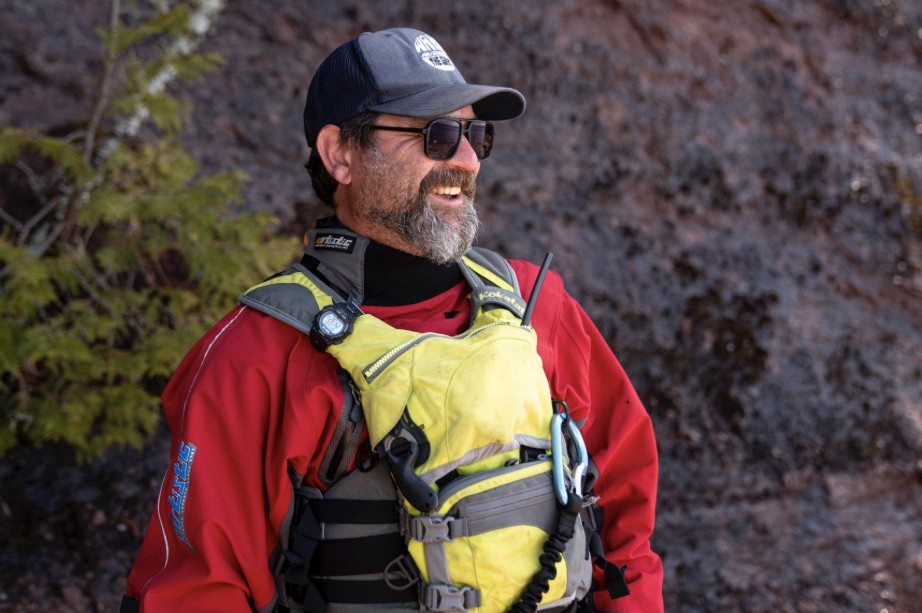
"The best way to experience the magnificence of Lake Superior is to paddle to the last chain of islands before you hit open water," says Dr. Rob Stewart.

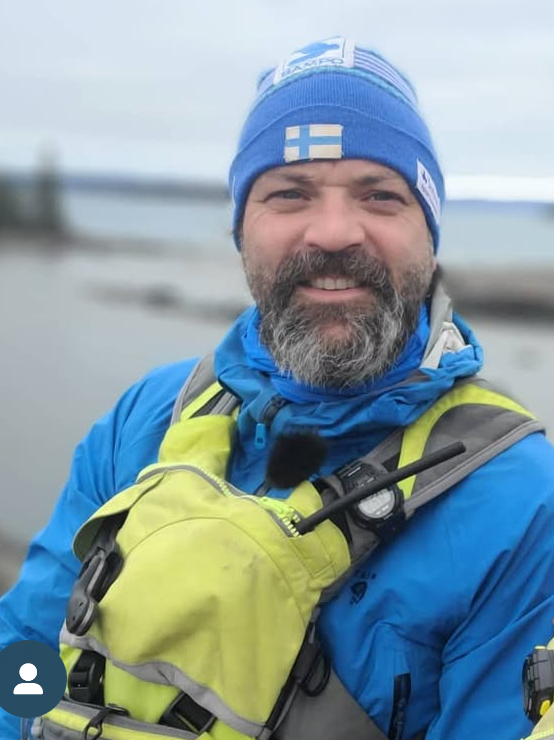
Dr. Rob Stewart on a lakeshore wearing outdoor gear and a winter toque

He's an associate professor of geography & the environment who feels most at home on the lake.

"It's amazing to be 10 km offshore in a kayak and have an otter pop up and hiss at you."

His career has been devoted to working with local communities to protect the watersheds and coastal environments of the Lake Superior Basin.

"Lake Superior is the headwater of all the Great Lakes, and its health determines the future of all the Great Lakes," he explains.

Dr. Stewart leads Lakehead's Freshwater Coastal Management Research Group and coordinates Remedial Action Plans (RAPs) along the Canadian north shore of Lake Superior.

"We identify environmental problems, monitor them, and then work on lake restoration," he says.

Through the determination of communities and researchers, there's been great success in removing pollutants from Lake Superior.

"When I was growing up, places like Thunder Bay, Nipigon, and Red Rock had working harbours.

There was foam, oil, and tree bark floating on the water because industries like pulp mills and mines would discharge effluents directly into the lake.

Today, you can swim in these harbours and use them for drinking water because of intense government regulation and the clean-up efforts of RAP groups."

Community members, and a videographer, stand in a circle on a Jackfish Bay beach

Community members belonging to the Jackfish Bay Area of Concern RAP discuss next steps to deal with legacy contaminants discharged into Lake Superior by the Terrace Bay Pulp and Paper Mill. "Remedial Action Plan groups try to reduce conflict between communities and governments over problems that can't be immediately resolved," Dr. Stewart says.

Now, Lake Superior RAPs are equally concerned with emerging threats to the lake that don't have simple solutions and that require cooperation between countries.

"We're investigating how to deal with invasive species, airborne mercury travelling from China and India, and climate change—Lake Superior is the fastest warming Great Lake."

Uncovering the Story of Lake Nipigon

Dr. Stewart's research extends beyond Lake Superior.

He's excited to be working with Indigenous communities in the Lake Nipigon area to trace the history of this freshwater lake and how it's changed over the past 200 years.

"Lake Nipigon was intensely developed in the 1940s. Large forestry and mining operations were set up near the lake's shoreline.

The provincial government also built a hydroelectric dam that diverted massive amounts of water from the Arctic watershed into Lake Nipigon. This changed the lake's ecosystem dramatically."

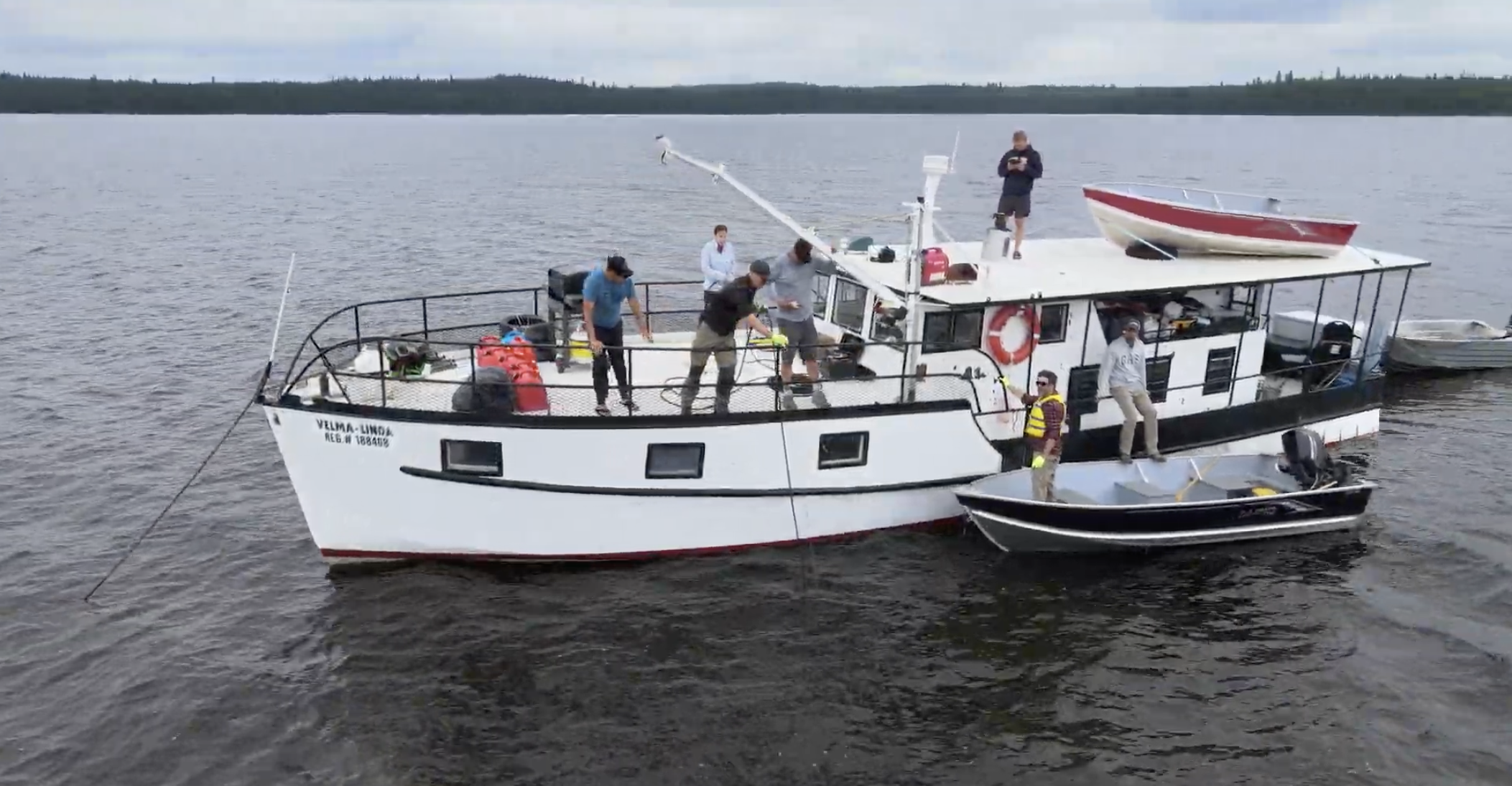
Members of the Nipigon Guardians Team aboard the Velma Linda boat

Above, the Nipigon Guardians Team (researchers from Lakehead, York University, and Biinjitiwaabik Zaaging Anishinaabek First Nation) collect sediment core samples. "We want to empower Indigenous communities with data to verify what they've been saying all along about the negative effects of hydro dams on Lake Nipigon."

The high levels of silt and nutrients in the Arctic Watershed were too much for a freshwater body like Lake Nipigon to absorb.

"The silt covered up fish spawning grounds, and the overabundance of nutrients created toxic algae blooms. The dam also caused erosion and raised the level of the lake, which released more sediment and nutrients."

Until recently, Indigenous people were forced to stand by and see their lake degraded because they had no say over how it was developed.

"Now, First Nations want the full story of the lake's changes backed up with scientific data," Dr. Stewart says. "Our 'Lake Nipigon Cumulative Impacts Partnership' will help provide this information."

A back view of Dr. Rob Stewart wearing an orange safety jacket, jeans, and rubber boots stands in an excavated area of land near the north shore of Lake Superior

Dr. Stewart's Freshwater Coastal Management Research Group has built landscape features to filter stormwater before it reaches Lake Superior. They've also restored riverbanks and coastal habitats for fish and wildlife. For instance, constructing a new channel for fish to swim through (see above).

His research team is doing this by tracking the movement of fish in the lake and by taking sediment samples from the lake floor.

"We'll analyze the sediment to determine the nutrients, plants, aquatic life, and toxins present in Lake Nipigon at different time periods."

After all the evidence is gathered, communities will pinpoint areas of Lake Nipigon where the environment has been adversely affected by development and by pollution, such as arsenic contamination from mills. Then, they'll advocate to have them restored.

"They want to build healthy communities with clean water and land for their youth," Dr. Stewart says.

Save Our Remarkable Lakes

A profile view of Dr. Rob Stewart outside with a cliff in the background

Current projects being led by North Shore of Lake Superior RAPs include shoreline naturalization and monitoring beaches closed because of high E.coli levels. "We also watch for new technology that may help with future lake restoration efforts," Dr. Stewart says.

He encourages local citizens to get involved in sustaining our region's waterways by joining an environmental community group or by becoming a member of one of the north shore's Remedial Action Plan groups.

"The number-one thing, though, is to connect with our lakes in your own way. Go for a canoe ride with a friend, take your kids fishing, or walk along one of the beaches."

Dr. Stewart's Lake Nipigon Cumulative Impacts Partnership research is funded by an NSERC Alliance Grant, the Indigenous Guardians Network, the First Nations Environmental Contaminants Program (Health Canada), and by Biinjitiwaabik Zaaging Anishinaabek. He has received funding for his Lake Superior research initiatives from the Great Lakes Freshwater Ecosystem Initiative, which is part of the Government of Canada's Freshwater Action Plan.

Pages